 Earth Matters
The Living Web - Understanding and Protecting Earth’s Environment
How Interconnected Systems Sustain Life and Demand Our Care.
The Environment as a System of Systems
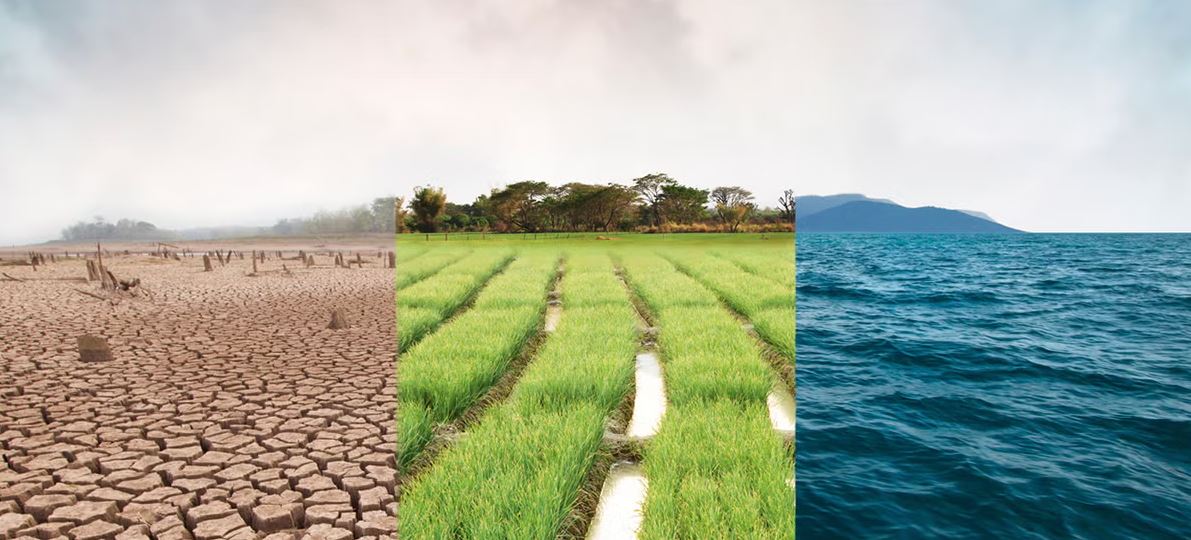
The environment is not a single entity but a network of systems working in harmony. The atmosphere provides air, oceans regulate climate, soils support agriculture, and forests absorb carbon and produce oxygen. These natural systems function together like organs in a living body. If one is damaged, the others feel the impact. This interconnectedness makes environmental science a discipline that touches every aspect of human existence. From the food we eat to the air we breathe, our survival depends on the delicate balance of Earth’s environment.
Human Influence on Natural Balance
Human activity has become one of the most powerful forces shaping the environment. Industrialization, urban growth, and intensive agriculture have transformed landscapes and altered natural cycles. Deforestation reduces biodiversity and accelerates carbon buildup. Pollution contaminates air, water, and soil. Overfishing and habitat destruction threaten marine ecosystems. These changes are not isolated but cumulative, creating global consequences that ripple across continents. The concept of the Anthropocene reflects this reality: a proposed geological epoch where human influence is inscribed into the very fabric of Earth’s systems
Biodiversity as the Foundation of Resilience
Biodiversity is the foundation of a resilient environment. Each species, from microscopic plankton to towering redwoods, plays a role in maintaining balance. Pollinators ensure crops grow, wetlands filter water, and predators regulate prey populations. Yet biodiversity is under unprecedented threat. Species extinction rates are accelerating, driven by habitat loss, climate change, and exploitation. The loss of biodiversity is not only a moral tragedy but also a practical danger, undermining food security, medicine, and ecosystem stability. Protecting biodiversity is therefore central to protecting the environment as a whole.
The Climate-Environment Connection
Climate change is inseparable from environmental health. Rising temperatures, shifting rainfall patterns, and extreme weather events strain ecosystems already stressed by human activity. Coral reefs bleach in warming seas, forests burn in prolonged droughts, and Arctic species face disappearing ice. The environment is both a victim and a regulator of climate. Healthy forests, wetlands, and oceans absorb carbon and slow warming, while degraded ecosystems release stored carbon, amplifying change. Addressing climate without addressing the environment is incomplete; the two are entwined in a feedback loop that shapes our collective future.
Pollution and the Hidden Costs of Progress
Modern progress has brought hidden costs in the form of pollution. Air pollution contributes to respiratory disease and premature death. Plastic waste infiltrates oceans, breaking down into microplastics that enter the food chain. Agricultural runoff fuels algal blooms, creating dead zones in coastal waters. These pollutants do not simply vanish; they accumulate, traveling across borders and generations. Addressing pollution requires a shift in mindset, from seeing waste as disposable to recognizing it as part of a larger cycle that must be managed responsibly.
The Role of Indigenous Knowledge and Stewardship
Long before modern science, indigenous communities developed environmental knowledge grounded in observation and respect. Many cultures practiced sustainable agriculture, managed forests, and protected waters through traditions passed down for centuries. This knowledge is not relic but resource, offering lessons for modern environmental stewardship. Integrating indigenous wisdom with scientific research enriches our ability to address environmental challenges. Respecting these traditions also acknowledges the cultural and ethical dimensions of environmental protection, reminding us that care for the land is also care for identity and heritage.
Environmental Justice and Human Well-Being
Environmental issues are not distributed equally. Poorer communities often face greater exposure to pollution, lack of access to clean water, and higher vulnerability to climate-related disasters. Environmental justice recognizes that protecting the environment must also mean protecting people, especially those most at risk. This includes addressing systemic inequalities that place marginalized populations at greater risk and ensuring that environmental policies promote fairness as well as sustainability. The health of people and the health of the environment cannot be separated; they are two sides of the same coin.
Technology and Innovation in Environmental Solutions
While human activity has caused much of the current environmental crisis, innovation also offers pathways to solutions. Renewable energy reduces dependence on fossil fuels. Advances in recycling and biodegradable materials lessen waste. Smart agriculture uses sensors and data to minimize resource use while maximizing yields. Satellite monitoring tracks deforestation and pollution in real time. These tools, however, are not panaceas. They must be paired with cultural change, political will, and community engagement. Technology provides opportunities, but responsibility ensures they are used wisely.
The Ethical Dimension of Environmental Care
Beyond science and policy lies an ethical question: what kind of relationship should humanity have with the environment? Is it a resource to be exploited, or a living system to be respected? Ethical frameworks like deep ecology argue that all life has intrinsic value, independent of human use. Religious and philosophical traditions across the world emphasize stewardship and humility before nature. Engaging with these perspectives broadens the environmental conversation, grounding action not only in necessity but also in moral responsibility.
A Call to Global Stewardship
The environment is the shared inheritance of all humanity, and its protection requires global cooperation. Local actions, from planting trees to reducing waste, matter, but so do international agreements that curb emissions, conserve biodiversity, and manage shared resources. The challenges are immense, but so is the potential for positive change. The environment sustains us with air, water, food, and beauty. To safeguard it is to safeguard the possibility of life itself. The story of the environment is still being written, and every decision shapes the chapter that comes next.